
As the Floods Recede, Community Comes Together
Four years after the devastating 2021 floods, Whatcom County residents rally to recover once again
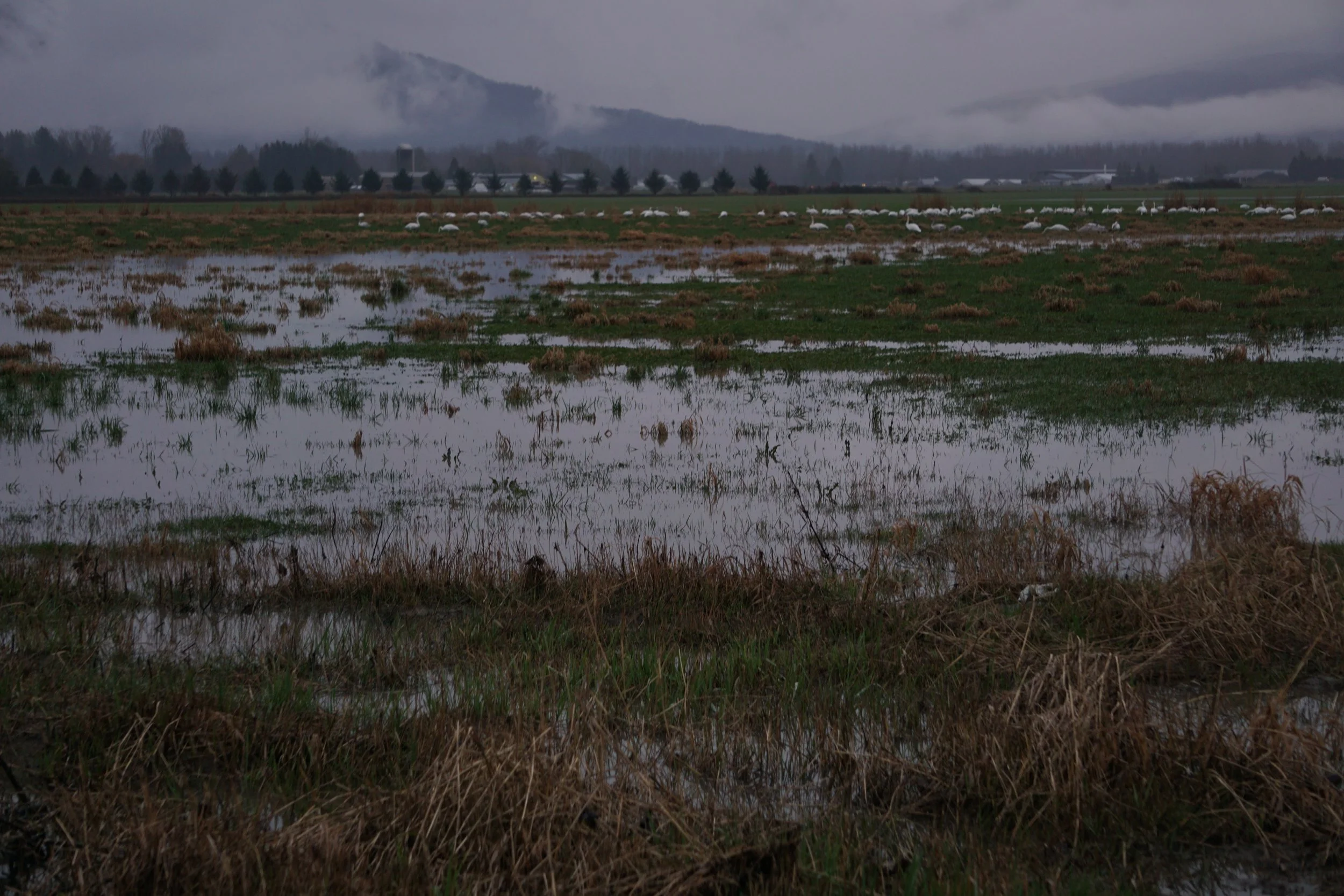
Lingering flood and rainwater from the Nooksack River fills an open field in Nooksack, Wash., on Feb. 2, 2026. The hydrology of the Nooksack River is one of the most complex hydrologies in the state, with an active system and glacial till rerouting the streams. As more glacial till shows up in the river every winter, new channels also develop each flood season, causing flooding in areas such as this field. // Photo by Jordan Brotamonte
Photo Essay by Jordan Brotamonte
March 30, 2026
In December 2025, Morgan Conner got off a grueling 12-hour shift when she heard heavy rainfall on the drive from Blaine to Everson. Coming home, she checked the city’s river level gauges hourly.
Five hours later, Conner and her boyfriend awoke to a foot and a half of water almost reaching their porch. They had 20 minutes to evacuate their home.
“We took off, driving through Main Street. At that point, the river was also rushing in,” Conner said.
Once she evacuated to her dad’s house, Conner lay awake, and thoughts of her home being flooded plagued her dreams as she waited to see its condition.
“We got pictures from my neighbors of what the house looks like. It kind of looked like it was in a lake,” Conner said.
Like Conner, many families in Whatcom County were forced to evacuate as their homes and neighborhoods were submerged in floodwaters. Cities like Sumas, Everson and Nooksack were still recovering from the previous catastrophic floods in 2021, of which the physical and emotional damage still lingers today.
Colin Buckley, the principal of Nooksack Valley High School, revealed that during the November 2021 floods, Sumas Elementary lost its entire school building. Thankfully, the district had a new elementary school being built at the time, so students were distributed amongst other schools until the construction was completed.
However, the recent floods also brought old feelings to the surface, as students faced old wounds that reopened from the disaster. Buckley noticed that if it was raining hard, Sumas Elementary students would have a hard time sleeping through the night. One student in particular fell asleep at school and later confided in the principal about the recent disaster.
“[A student] woke up, came into my office, and he’s just like, ‘Mr. Buckley, did you know that my Nana said that when you’re stressed, you don’t sleep very well?” Buckley recalled. “He’s telling me about how [his family] lived in Sumas. They had water up to his chest. They had to get out of his house, and they lost all his stuff.”
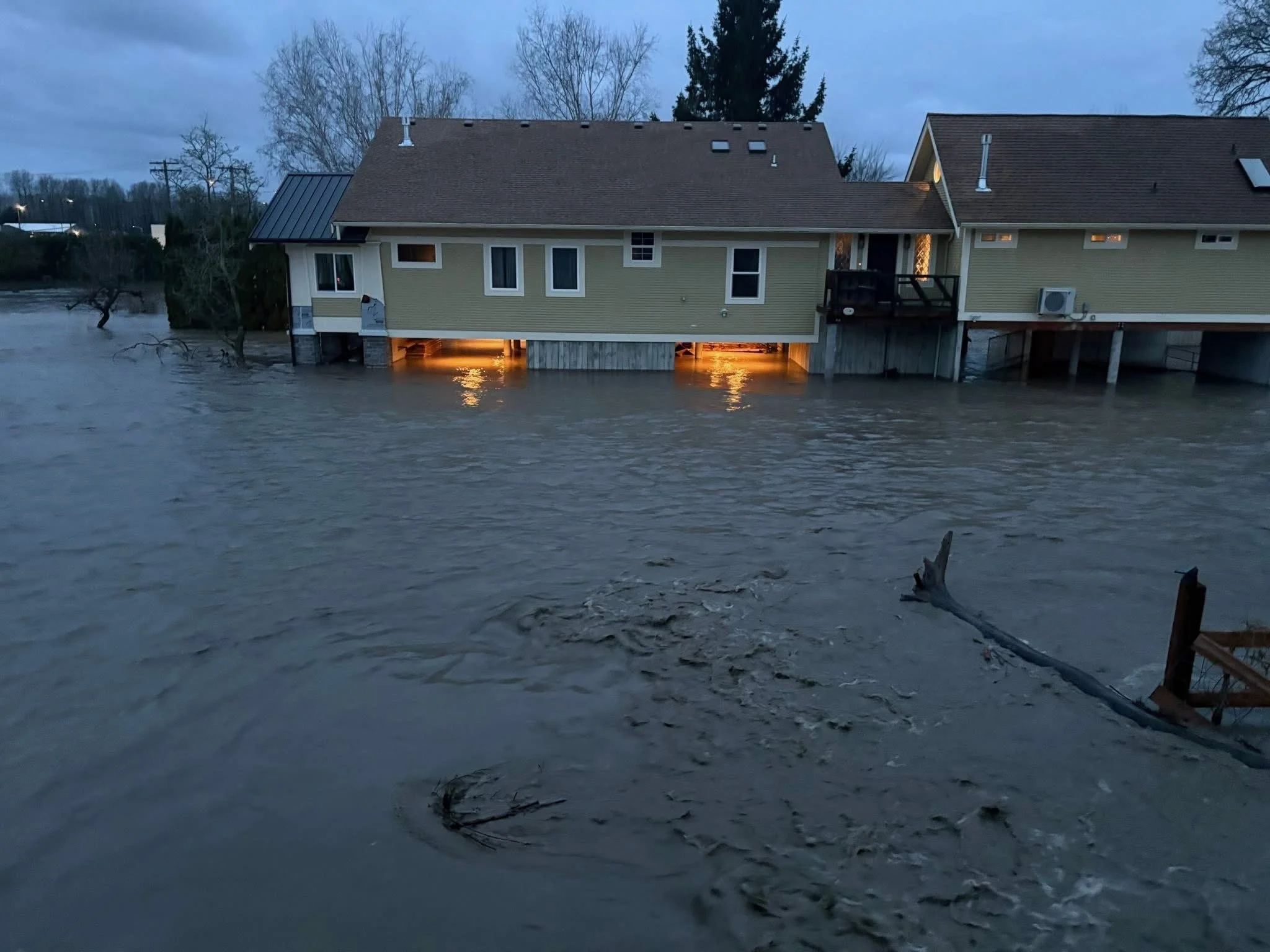
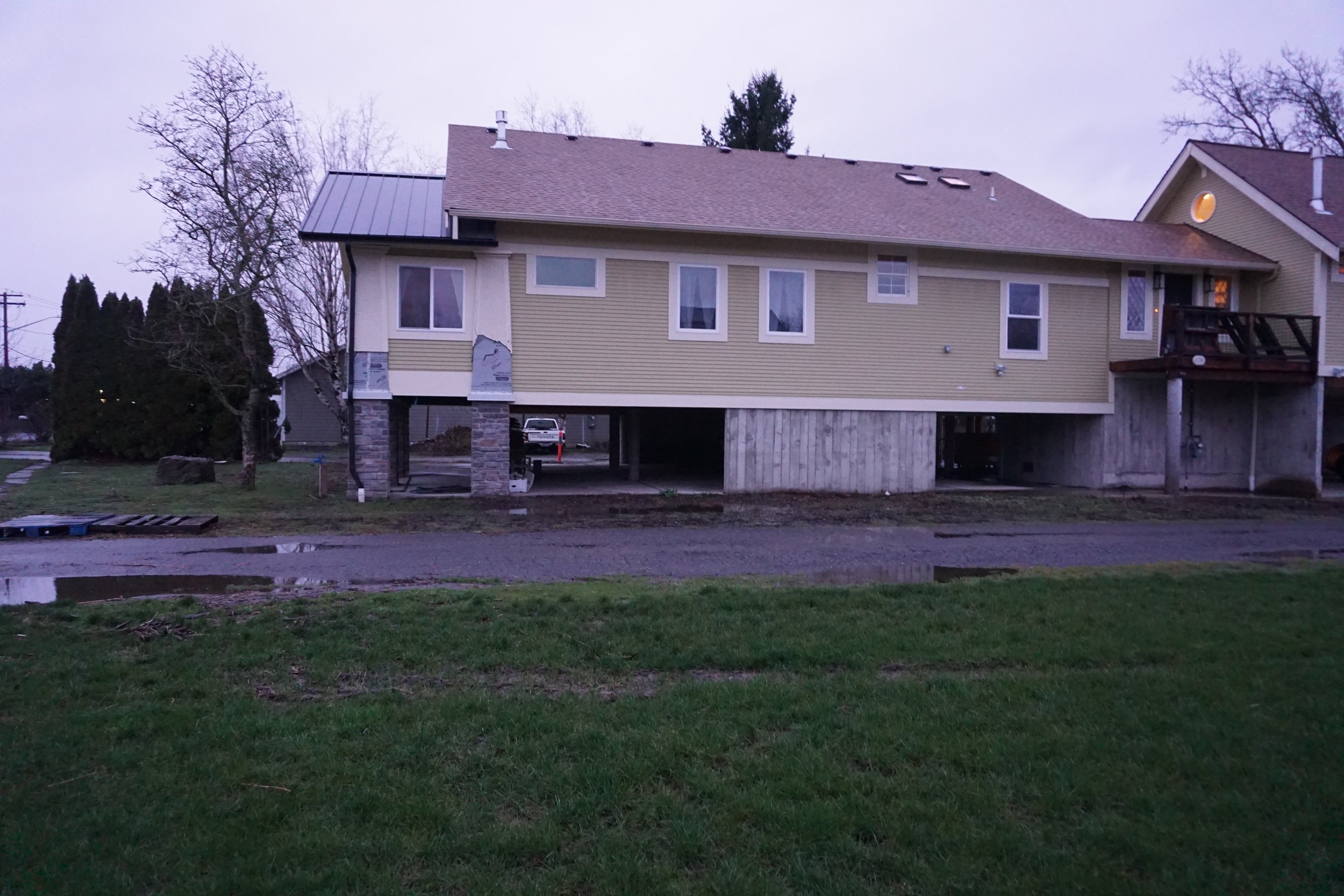
A Nooksack, Wash., home surrounded by floodwater on Dec. 11, 2025, and two months later on Feb. 2, 2026. After the 2021 floods, the homeowners elevated the house 8 feet and had about 2 feet to spare. In the second picture, the home did not receive any damage, but lost property below the home and construction materials that were from rebuilding their home from the 2021 flood. // Left photo courtesy of Colin Buckley, right photo by Jordan Brotamonte
Rebekah Paci-Green, a Western Washington University assistant professor of Environmental Studies in natural hazards planning and disaster risk reduction, highlighted how the three towns impacted are rural and small town areas of Whatcom County.
“Their vulnerability is heightened, as is that of many communities in rural areas, because there’s often less tax base and less resources to do mitigation projects that would reduce flooding,” Paci-Green said.
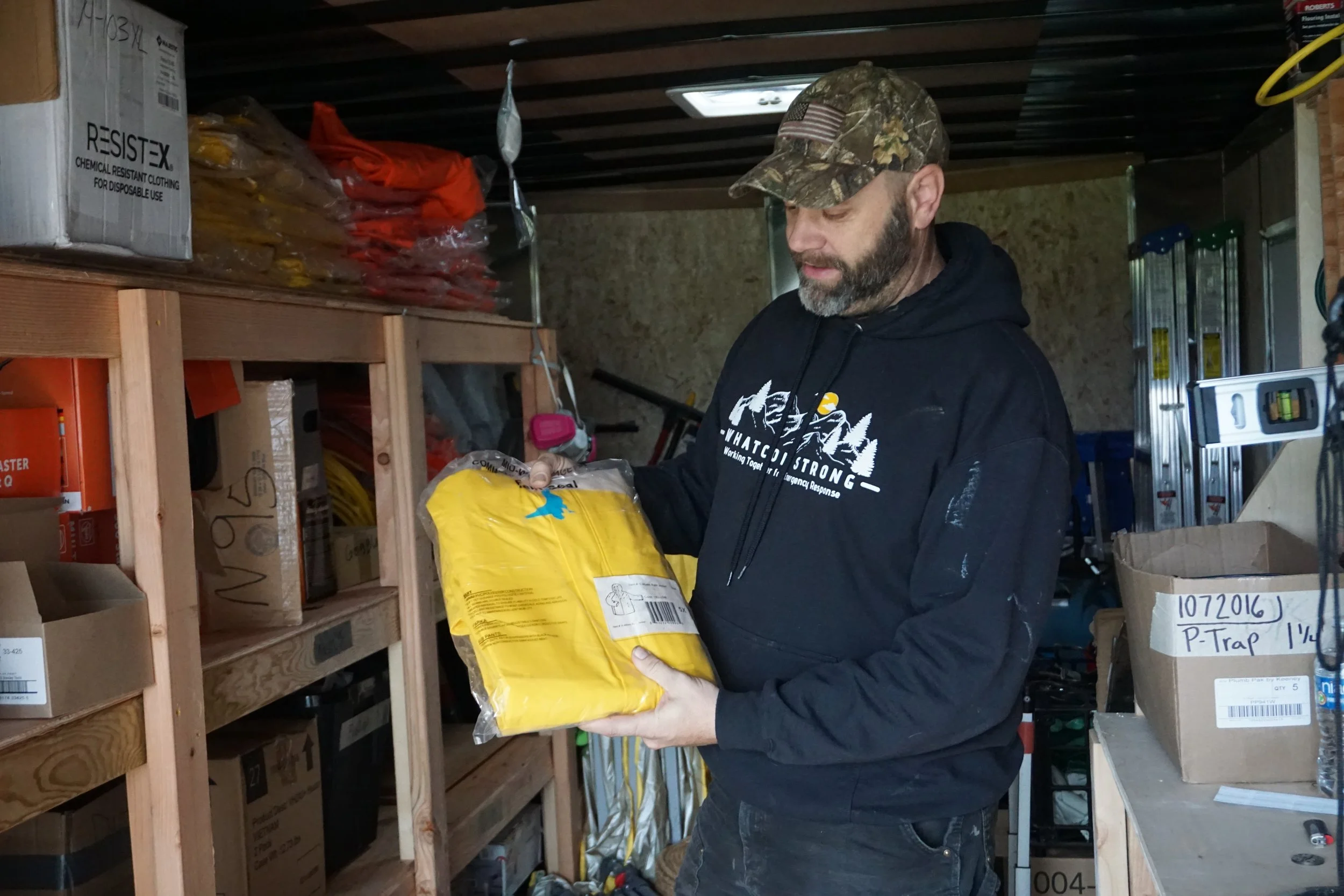
Kyle Christensen holds a jacket for volunteers worn during dispatches to people's homes at the Sumas Advent Church in Sumas, Wash., on Jan. 29, 2026. Volunteers at WLTRG would wear these during their dispatches to help remove flood debris and take out sheetrock and flooring to get airflow in the homes so that no long-term mold or mildew issues in the walls or flooring would form from the flood waters. // Photo by Jordan Brotamonte
Despite the damage caused by the 2025 flood, the Sumas, Nooksack and Everson communities set recovery efforts in motion with the help of local nonprofit volunteer organizations, such as the Whatcom Long Term Recovery Group.
Founded by the group’s director, Kyle Christensen, who was also mayor of Sumas in 2021, the group was formed initially as a response to the 2021 floods.
“We realized right out of the gates, because we hadn’t had that big of a disaster for many years, that government support is kind of slow coming in,” Christensen said. “It’s this idea of meeting unmet needs and gap funding and helping people because it takes a lot of time for that government funding to trigger and become available for families.”
The day after the 2025 floods, the group was on the ground coordinating volunteers and distributing immediate needs to families, such as water, food and blankets.
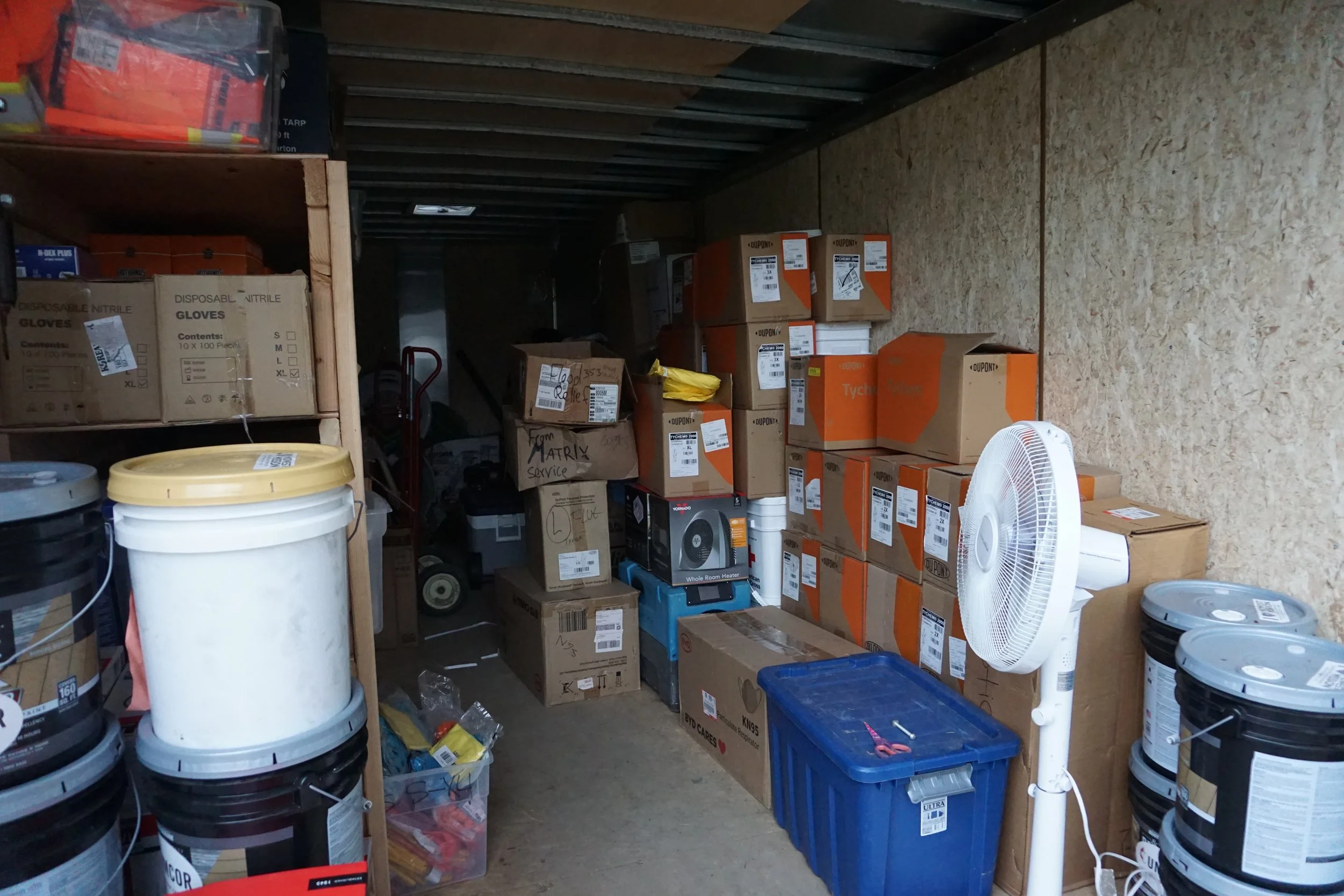
The inside of one of two trailers owned by Whatcom Long Term Recovery Group at the Sumas Advent Church in Sumas, Wash., on Jan. 29, 2026. Trailers would include materials to help with the recovery and mitigation processes of homes. It also had donated goods from local businesses, such as food, totes, heaters and fans. // Photo by Jordan Brotamonte
The volunteer group provided forms and a tracking system for individuals to fill out so that they could best prioritize what their immediate needs were.
“That was [why] the first outreach that was so important, to find out: what families needed help? How do we get back in touch with them? Are they unhoused now? What are their needs?” Christensen explained.
Similarly, the Recycling & Disposal Services in Ferndale collected waste from flood victims for a month free of charge.
William McCarter, manager of the local transfer station, explained that during the days following the heavy rainfall, the waste came in by 40-foot-long dump trucks collecting debris from the areas most impacted by the flooding.
A month after the flood’s passing, the waste disposal site had more than 1200 tons.
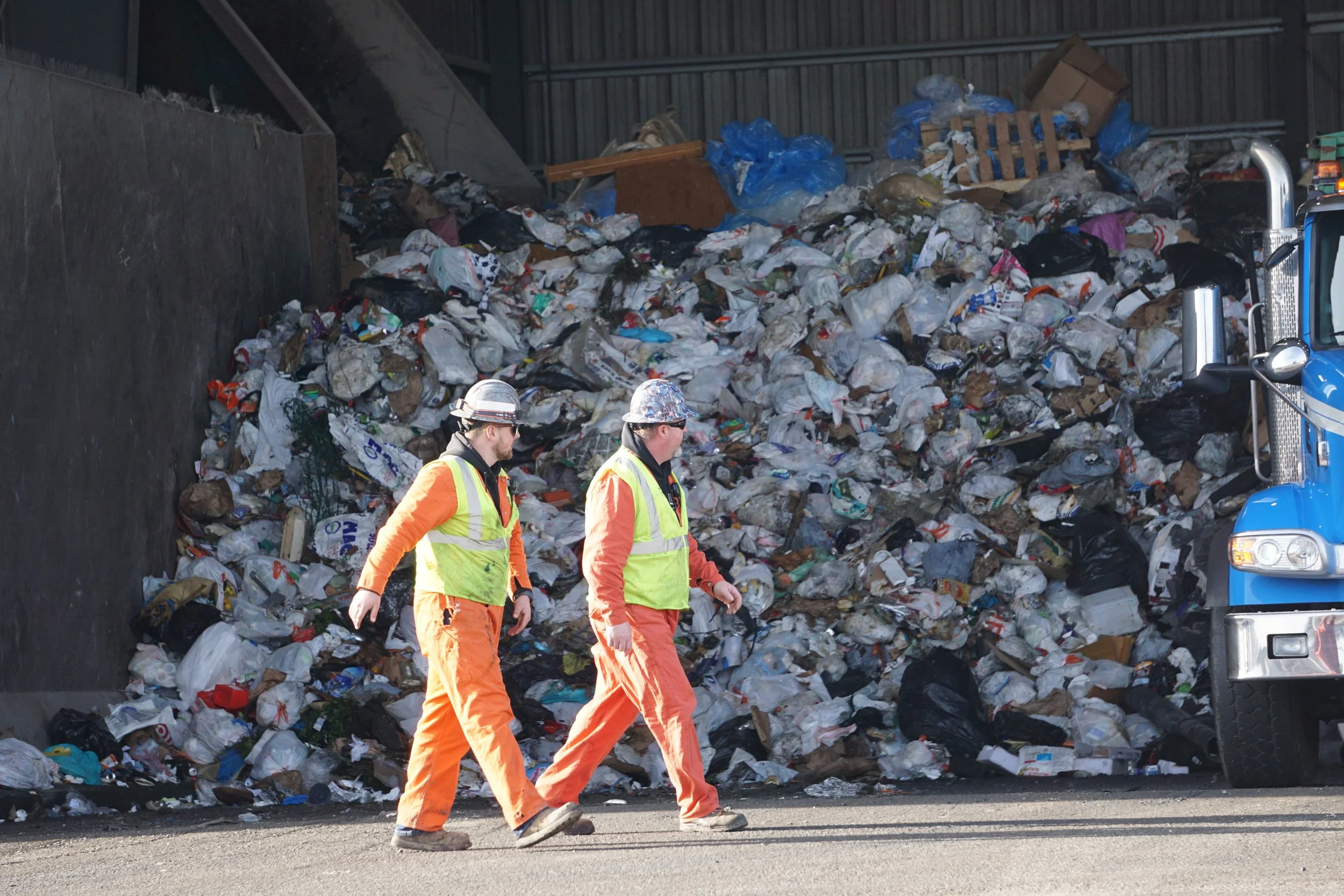
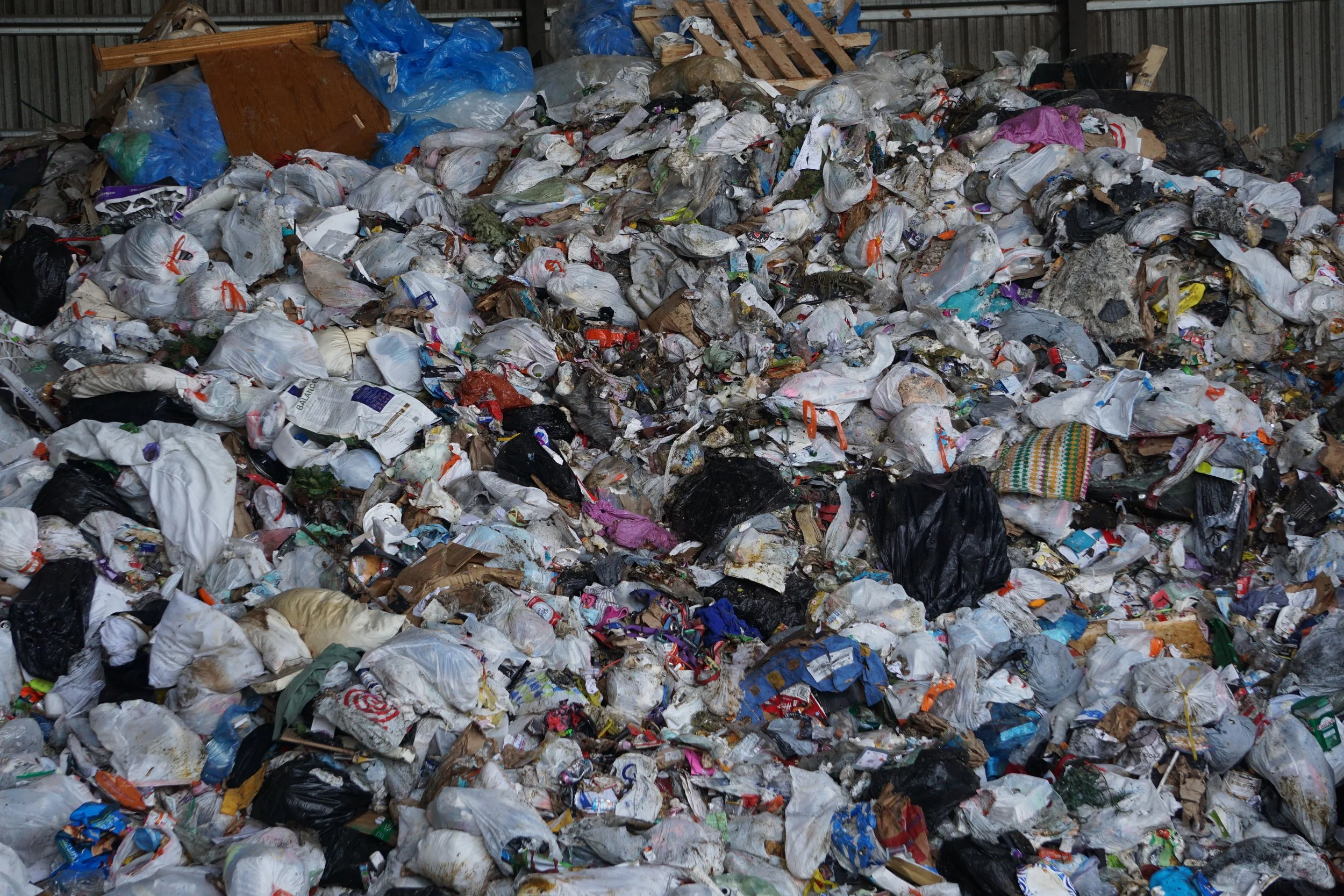
TOP LEFT: Two workers walk outside the main garbage tipping floor at Recycling & Disposal Services in Ferndale, Wash., on Feb. 6, 2026. These staff typically help guide customers to the proper spot to unload trash or mixed recycled waste. Due to increased debris from flood water, additional staff worked the inbound scales to weigh in vehicles on the materials being unloaded and getting customers in and out of the site quickly and efficiently. // Photo by Jordan Brotamonte
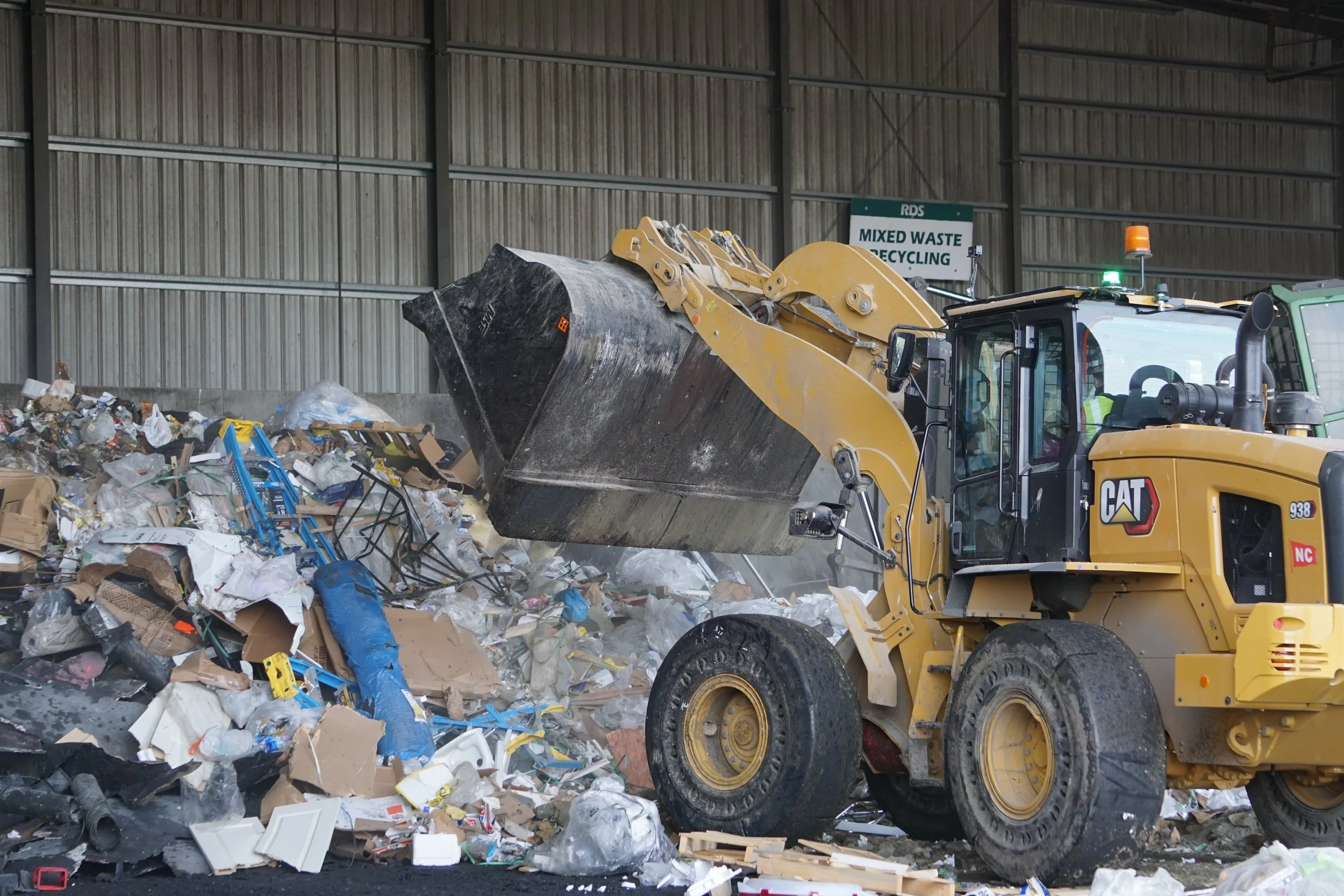
TOP RIGHT: An excavator pushes debris into the tipping flood building at Recycling & Disposal Services in Ferndale, Wash., on Feb. 6, 2026. The RDS site had many excavators and front loaders on hand to accumulate and manage the materials being brought in. These vehicles would help consolidate the waste near the compactor before being transferred to the intermodal containers. // Photo by Jordan Brotamonte
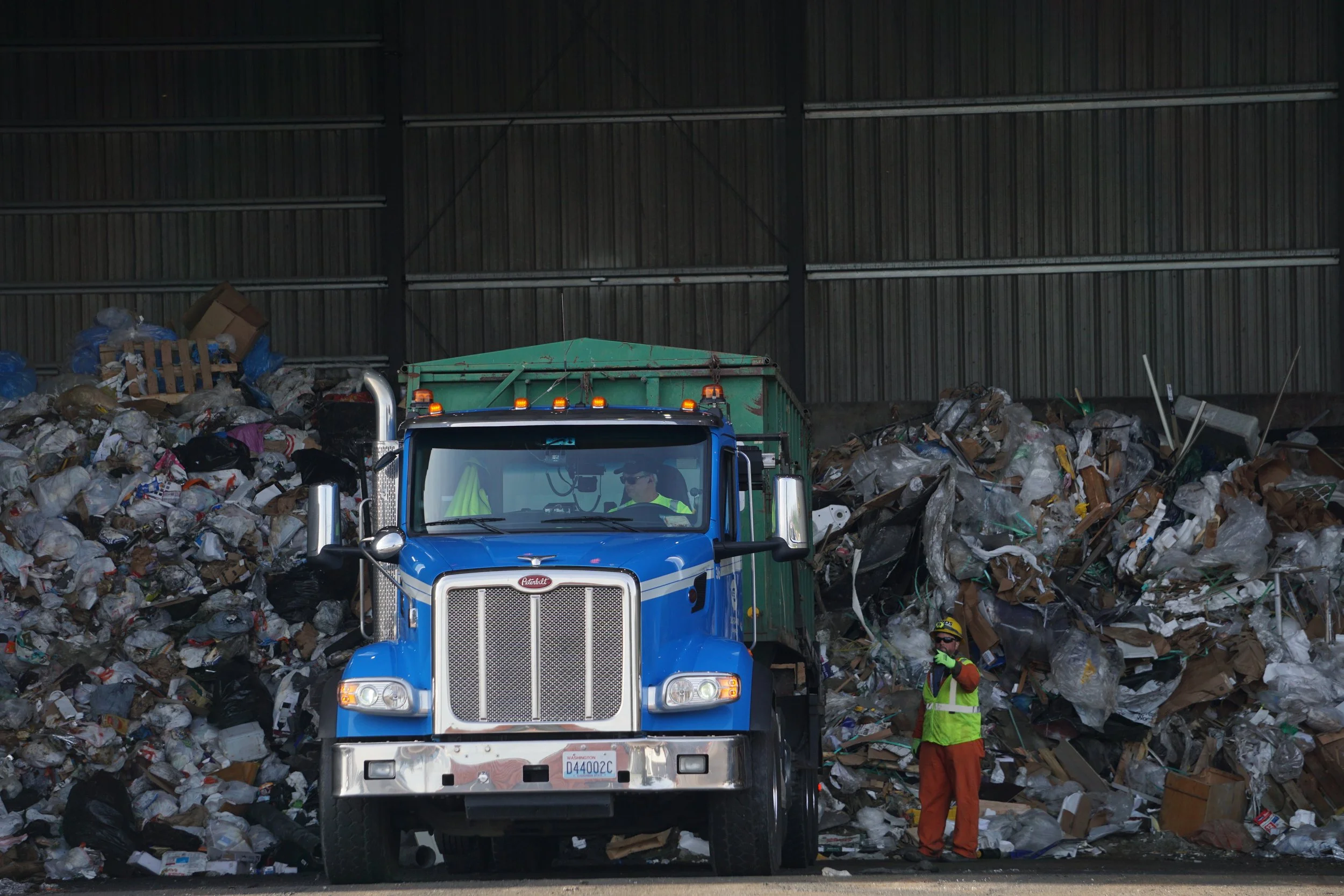
BOTTOM LEFT: A dump truck unloads debris at the main garbage tipping floor at Recycling & Disposal Services in Ferndale, Wash., on Feb. 6, 2026. Also known as end dumps, these 40-foot-long extended dump trucks fit material such as recycled waste and flood debris. // Photo by Jordan Brotamonte
BOTTOM RIGHT: A close-up of flood and trash debris at the Recycling & Disposal Services in Ferndale, Wash., on Feb. 6, 2026. When the flood hit Whatcom County, the RDS site did not have an end date for free disposal, causing individuals to rush to remove debris from their homes quickly. The site experienced a lot of tonnage in the early recovery days until it began to slow down later into the following months. // Photo by Jordan Brotamonte
“The 1200 [tons] was within the span of a month, but I would say more than half of it came in that first week after the flood,” McCarter said. “Everyone’s just hustling to try and get all that wet debris, mainly drywall insulation, out of their homes right away before the mold sets in.”
While the recovery and immediate response to the floods dwindle, questions arise about the estimated timeline for when the communities will heal and transition back to their original state.
But the recovery process takes time, according to Matt Klein, the deputy director of the Division of Emergency Management for the Whatcom County Sheriff’s Office — even more so as the county is finalizing aid and repairs from the 2021 floods.
“I’ve worked a lot of disasters, and this disaster was significant,” Klein said. “The impact on our community is extensive, and it’s compounded by the fact that we’ve had this happen multiple times in recent memory.”
According to Klein, the Whatcom County Sheriff’s Office closed out state-level grant assistance for home repairs for the 2021 flood on June 30, 2025.
“There are homes in this flood that took damage while people were still repairing their homes from the last flood,” Klein said.
In Klein’s role as deputy director, he encourages members of the public to become more acquainted with the natural hazards in the area. The Whatcom County Sheriff’s Office has an all-hazards approach to public education, and even has its public information officers educate the community on the risks inherent to the county.
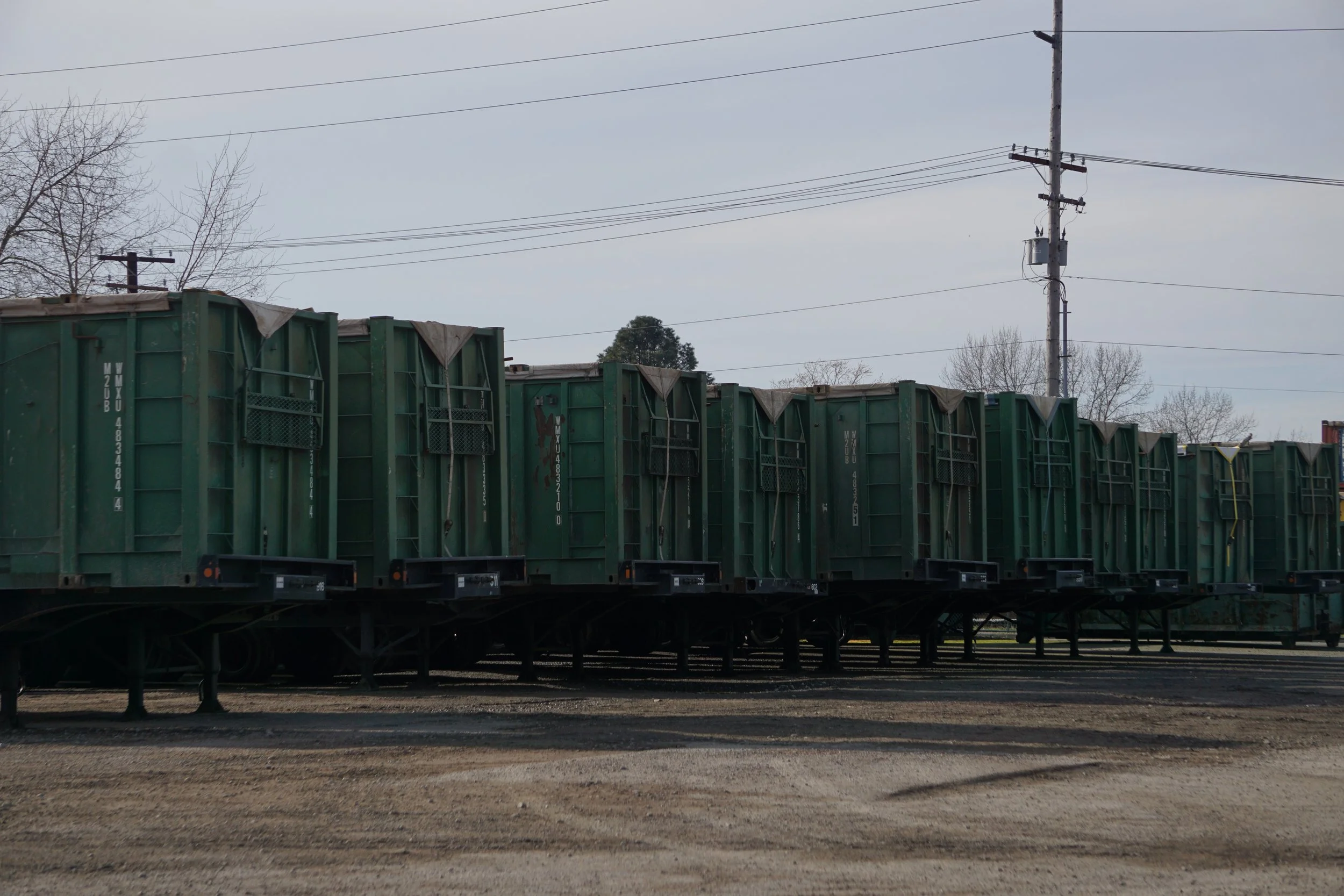
Intermodal containers are lined up with garbage at Recycling & Disposal Services in Ferndale, Wash., on Feb. 6, 2026. Days after the rainfall stopped, materials were transported through the Stremler pop-up debris station, where they were later loaded into the intermodal containers. The RDS site had extra inventory of these containers before they were sent to the landfill. // Photo by Jordan Brotamonte
Paci-Green suggests a similar approach in helping the community prepare for future flooding.
“So what needs to happen? Participatory planning processes that draw out the goals and values of the community,” Paci-Green said. “But also, a really honest conversation about what the floodplain really is and is likely to be in the future.”
While Whatcom County and the cities of Sumas, Everson and Nooksack continue to navigate their recovery, the collective support and effort from residents to help each other when facing the disaster have made the community more united.
“I think our community is resilient when we come together and support each other,” Klein said. “Which is what we saw throughout this recovery process.”
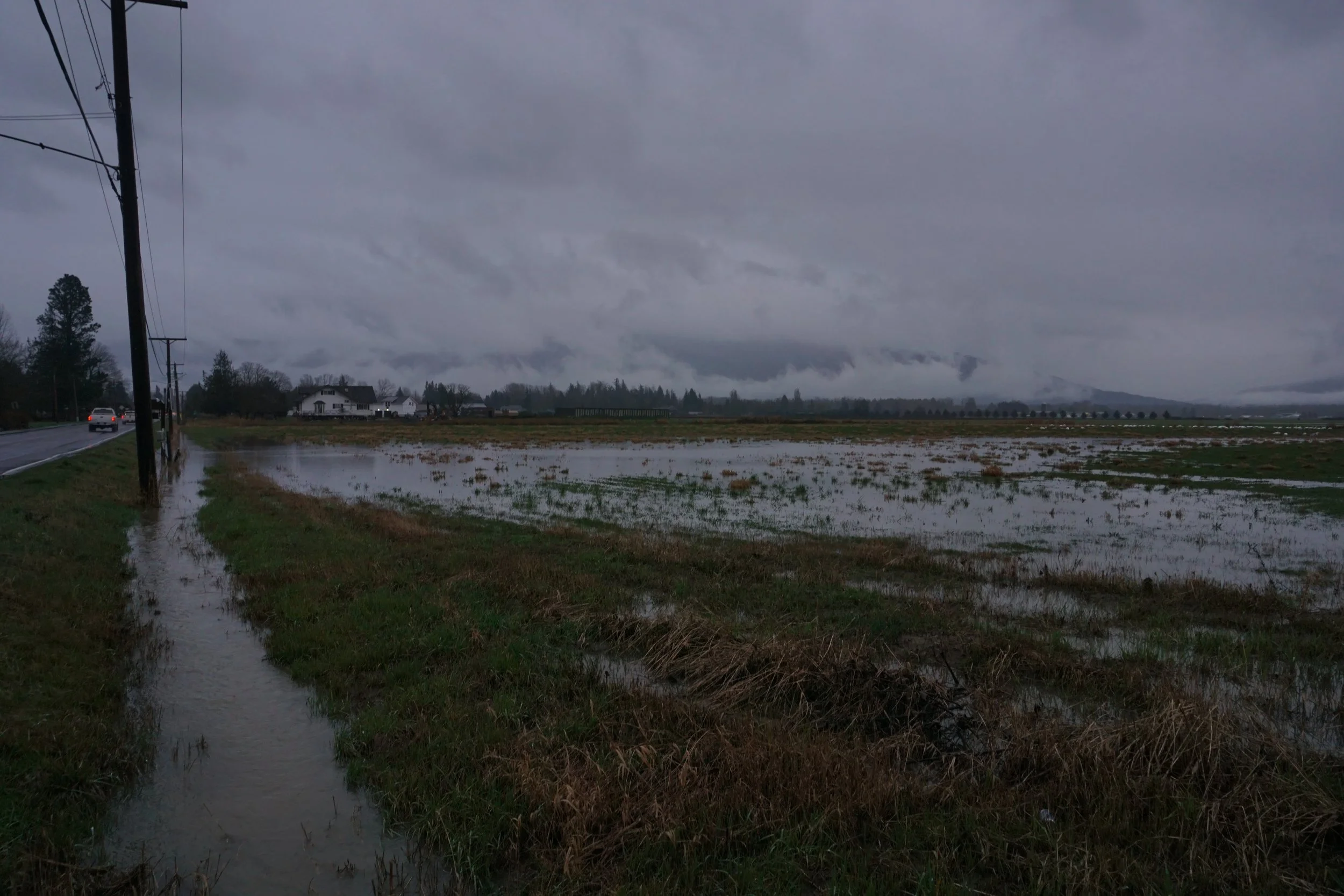
Cars pass by a field with lingering flood water along Main Street in Nooksack, Wash., on Feb. 2, 2026. When the flood hit, cars were driving through over a foot of water to evacuate the damage. Many roadways were closed due to infrastructure damage and were not opened until inspections determined whether they were safe to drive on. // Photo by Jordan Brotamonte